New - Just Now

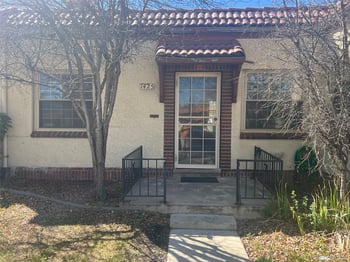

Denver homes for sale run from porch streets by Washington Park and City Park to newer Central Park builds and classic blocks in Berkeley, Highland, and around Sloan’s Lake, so most homebuyers sort fast by commute reality and whether the Cherry Creek Trail (or South Platte) actually fits the week. The trade-offs are daily-life stuff—quiet vs. busier streets and game-day traffic, older charm vs. newer systems, alley and parking reality—and RTD’s A Line from Union Station when airport runs matter.
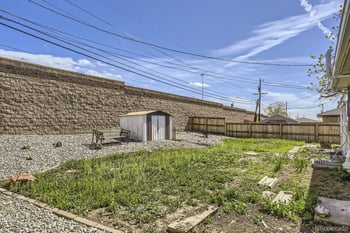
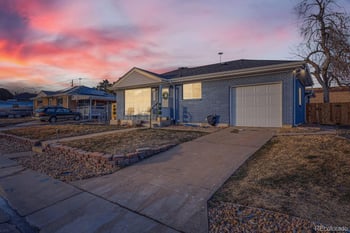
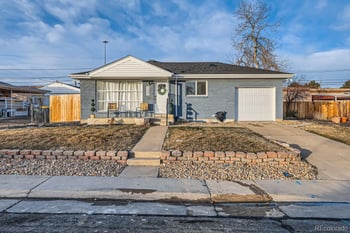











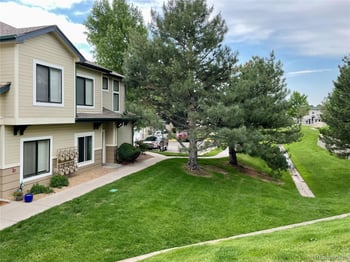

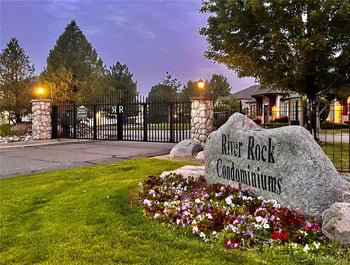
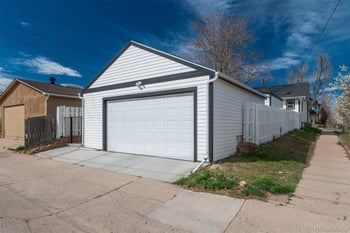
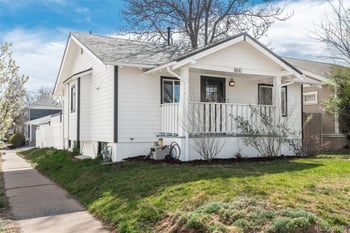
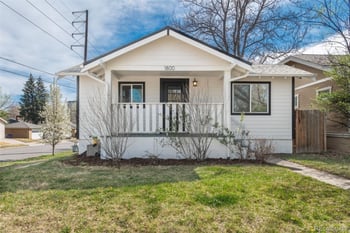
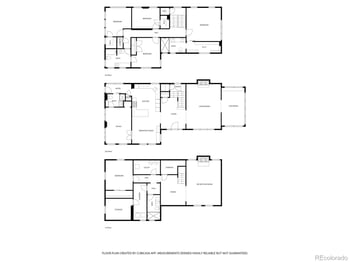
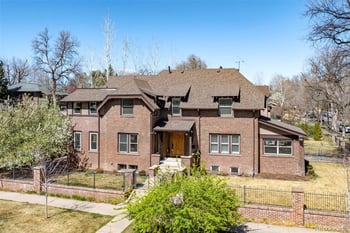
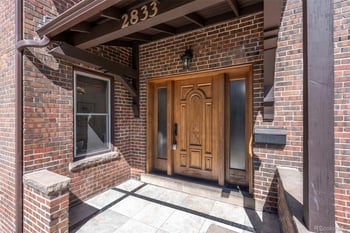



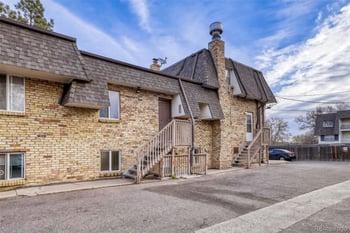

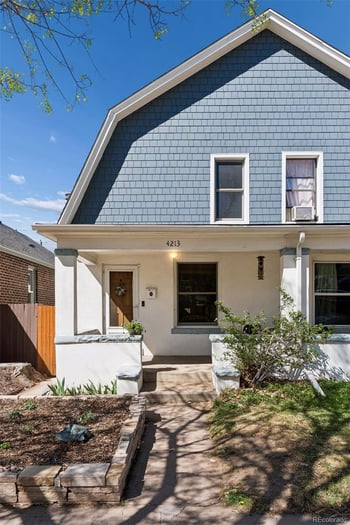
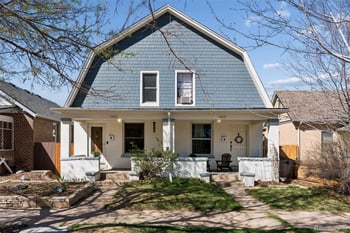
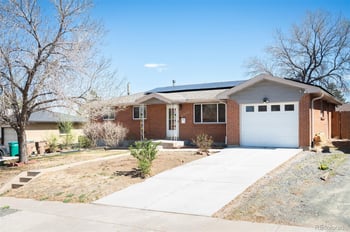
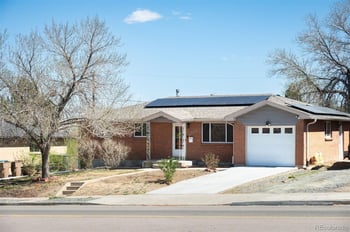
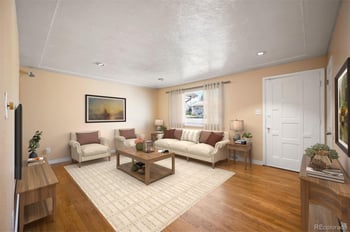
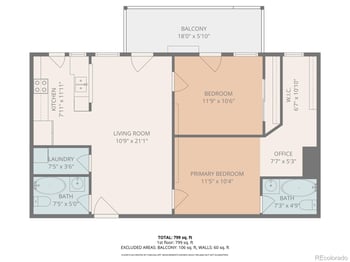
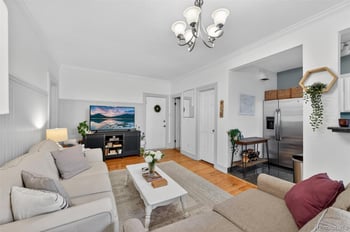
Quick Scan
Denver gets easier when you shop based on real life. Think about where you’ll walk after dinner, where your everyday errands happen, and what a normal weekday drive looks like. The cards below are meant to give you quick clarity—so the search feels exciting instead of overwhelming.
You don’t need to learn every part of Denver upfront. Start with one simple question: what do you want most days to feel like? Walkable weeknights, quick trail access, or a smoother drive to work. Once you decide that, the listings become easier to compare.
This keeps the process positive because you’re choosing the lifestyle first—then letting the right home show itself.
Denver searches clean up fast once you pick the places you’ll be driving to all the time—Downtown/Union Station, the Tech Center (DTC), Anschutz/Fitzsimons, or the airport side of town if DIA trips are part of your routine. From there, you can expand outward until it feels comfortable.
For airport rail details (stops + schedules), RTD’s A Line page is the official reference: RTD A Line schedule
“Walkable” here usually means you can step out for coffee, grab an easy dinner, and take a normal evening walk without feeling like you’re dodging traffic. South Pearl Street (Platt Park) and Tennyson Street (Berkeley) are common reference points because they work like real neighborhood streets you actually use.
When trail access is close, it changes the week in a good way. Cherry Creek Trail, the South Platte paths near the river, and the High Line Canal are the kinds of places people use for a quick walk or a short ride when the day finally slows down.
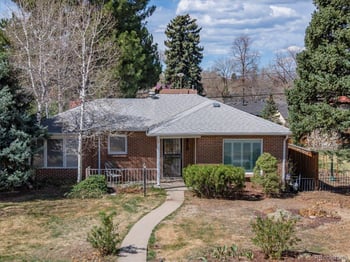
Denver mixes older central homes with personality, post-war ranch layouts that feel practical, newer infill, and lock-and-leave condos/townhomes. The happiest buyers match the home type to their weekends—more projects and character, or more predictable upkeep.
A smooth Denver purchase usually comes from checking a couple of basics early—so you can focus on the home itself. Radon testing is common here, and roof condition matters because hail is part of the climate.
Denver’s official radon guidance: Denver radon guidance
If you’re shopping older parts of Denver, it’s normal to confirm a couple of infrastructure items—nothing dramatic, just clarity. One example that’s easy to check by address: whether a property may have a lead service line, and what the local utility’s program looks like.
Program details and address resources: Denver Water lead reduction program
Keep it simple: decide what you want most days to feel like, then sort by property type (house, condo, townhome), then narrow by must-have layout features. When a home looks promising, click into it and save it—searching goes better when you’re comparing a short shortlist instead of scrolling forever.
If weekends in the mountains are part of your plan, CDOT’s travel tips are the most reliable reference for I-70 expectations: CDOT I-70 travel tips
Denver Lifestyle Guide for Homebuyers
Denver real estate makes the most sense when you shop from the outside in: start with the parts of the city you’ll use on an average week, then match the home style to your routine. Some homebuyers come here for walkable nights out near places like South Pearl Street (Platt Park) or Tennyson Street (Berkeley). Others want trail access they’ll use on a Tuesday, not just on a long weekend—think the Cherry Creek Trail, the South Platte River Trail near the river, or the High Line Canal through the southeast side.
The good news is Denver is easy to learn once you pick a lane. You don’t need to “know every neighborhood.” You need to know where your week happens: where you’ll grab coffee, where you’ll walk after dinner, how you’ll get to work, and which errands you do without thinking. From there, the listings start filtering themselves.
Look for a neighborhood strip you’ll actually use—coffee, quick food, a park bench, and street lighting that makes evening walks feel normal.
Proximity to a trail entrance matters more than “near a trail” on a map. One easy turn becomes a habit. A complicated drive usually doesn’t.
Most searches get simpler once you pick your anchor: Union Station, DTC, Anschutz/Fitzsimons, or DIA access.
Denver isn’t just one vibe. It’s a set of practical zones you feel through routines. Downtown and Union Station tend to be the reference point when you want quick access to restaurants, events, and transit. The southeast side orbits around DTC for a lot of workdays and office commutes. The east side conversation changes when Anschutz Medical Campus (Fitzsimons) or DIA access is the priority—especially if you’re regularly on Peña Boulevard.
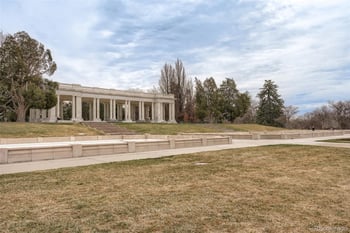
Then there’s the “weeknight movement” layer: people heading to City Park for a walk, looping around Washington Park, or meeting friends near Sloans Lake. If you bike, paths like the Cherry Creek Trail and the river routes around Confluence Park can quietly change what feels close.
If you’re moving from out of state, it’s normal to start with a big list of “must-haves.” In Denver, you’ll get better results if you start with a few observable routines: where you want to walk, what kind of evening noise you’re comfortable with, whether you want a garage you can actually use, and how often you expect to be on highways like I-25, I-70, or US-36.
This approach keeps the homebuying experience positive because you’re not forcing a house to fit a lifestyle it can’t support. You’re choosing a lifestyle first, then picking the home that fits it.
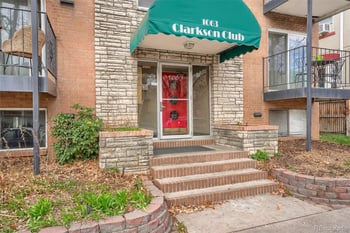
Homes for sale in Denver range from older central neighborhoods where you’ll see charming exteriors and mature trees, to post-war areas with practical layouts, to newer infill and modern builds that prioritize updated finishes. Condos and townhomes show up in a lot of “easy week” searches—especially for homebuyers who want a lock-and-leave setup or less yard responsibility.
The key is matching the home type to your tolerance for projects and upkeep. Some people love the personality of an older home and don’t mind learning it. Others want systems that feel modern and predictable. Neither is “better.” It’s about what you want your weekends to look like.
Denver homebuyers who have the best experience usually do a few simple checks early, so everything stays clear and calm as you move toward closing. Think of it as protecting your time and protecting the win once you find the right place.
None of this has to feel heavy. It’s just part of shopping Denver like someone who plans to enjoy the home after move-in.
Use the listings like a tool. Start broad, then tighten with one decision at a time. If you’re on a phone, the simplest approach is to sort in this order: lifestyle lane → commute anchor → property type → must-have layout features.
When a home looks promising, click into it and save it. Most successful Denver searches are built around a short shortlist you can compare calmly, not a hundred tabs.
Cross-Shop
Sometimes Denver is “close,” but not quite right for the day-to-day you want. Cross-shopping nearby areas is a normal part of buying well here. Use the groups below to compare by lifestyle—space, drive-time comfort, foothills access, newer builds, or a quieter weeknight feel.
These are common picks when you want a little more breathing room, a more consistent garage-and-driveway setup, or neighborhoods that feel calmer after work. It’s a good lane for homebuyers who want Denver access, but not the busiest pace.
Swap these URLs to match your site’s actual slugs.
When trailheads and quick mountain access matter, a lot of searches expand west. The vibe tends to lean more outdoors-forward while still keeping you in range for Denver plans.
If DTC is part of your week, nearby areas can feel simpler for weekday driving and errands—especially if you’re aiming for a more predictable routine.
The north side is a common cross-shop when people want newer housing stock in the mix, plus straightforward access for everyday errands.
These comparisons come up when someone wants Denver access but prefers a more distinct “downtown” feel, different housing patterns, or a more set-apart day-to-day.
Keep your search consistent: pick one non-negotiable (walkability, trail access, or a comfortable drive to work), then compare the same property type across areas. That way you’re not changing five variables at once. You’ll feel the differences faster, and the decision stays clear.
FAQ
These are the practical, real-life questions that help a Denver home search feel clear—schools, commuting, day-to-day neighborhoods, and a few “good to know” checks that keep the experience smooth once you’re under contract.
Start with what you want most days to look like. Do you want to walk to coffee and dinner a few nights a week? Do you want parks or a trail close enough that you’ll actually use it after work? Or is a comfortable weekday drive to Downtown/Union Station, DTC, Anschutz/Fitzsimons, or the airport side of town the main priority?
Once you pick that “day-to-day,” the listings start making sense fast. You’ll notice patterns—street feel, parking reality, the kind of homes that show up—and you’ll get to a confident shortlist without needing to memorize the whole city.
Treat schools as part of the home search, not an afterthought. In Denver, boundaries and enrollment options can vary by district and by program, so it’s worth confirming the exact school assignments for any address you’re serious about.
The most reliable starting point for Denver Public Schools is the district’s enrollment and school choice information: Denver Public Schools enrollment
The simplest approach is to pick one main destination you’ll be driving to all the time, then shop outward until the weekday drive feels steady. Denver can feel very different depending on whether your routine points toward Downtown, the Tech Center (DTC), Anschutz/Fitzsimons, or the airport side of town.
If you want a reality check before a showing weekend, use live traffic tools during the same hours you’d normally drive. For road conditions and travel updates, CDOT’s traveler info is the official source: COtrip (CDOT)
For some homebuyers, yes—especially if airport trips are frequent and you like predictable routines. The key is whether living near a station fits the rest of your life, not just the occasional trip. If you’re considering it, check station locations and schedules first so it matches your actual timing.
Official schedule and station info: RTD A Line schedule
The checks that keep the process smooth are the ones that remove surprises early. In Denver, that often means planning for radon testing, taking a clear look at roof condition, and reading HOA documents carefully for condos and townhomes so you know how the community is managed.
Denver’s public health guidance on radon is a useful reference if you want the city’s plain-language overview: Denver radon information
Older homes can be a great fit in Denver—mature trees, established streets, and layouts with character. The “verify early” items are usually straightforward: water service details, sewer line condition if applicable, and any home systems that you’d rather understand before you get attached.
One practical, address-based check is whether a property may have a lead service line, and what the utility’s program looks like.
Program details and address resources: Denver Water lead reduction program
They often do—especially if your “win” is less yard work, simpler exterior responsibilities, and a lock-and-leave lifestyle for travel or weekends away. The key is matching the community rules and the HOA’s financial health to the life you want, so it feels easy after move-in.
A good, positive approach is to review HOA documents early, ask clear questions, and make sure the monthly responsibilities match your expectations.
The most helpful approach is to compare specific blocks and routines, not broad labels. Visit at the times you’ll actually be outside—after dinner, early morning, weekend afternoons—and pay attention to lighting, foot traffic, and how the area feels when people are just living their normal lives.
If you want official information from the city, start with the Denver Police Department’s public resources: Denver Police Department
Build a shortlist that’s small enough to compare calmly. Pick your “day-to-day” (walkable weeknights, trails, or commute comfort), decide your property type, and save favorites so you’re touring with purpose. If possible, drive a couple of routes during real commute hours so the city clicks fast.
The best Denver weekends for showings are the ones that mix homes with a little “real life” time—grab coffee near where you’d actually spend time, walk a nearby park, and see how the neighborhood feels when it’s not staged.
If you’re thinking long-term, the most dependable strategy is choosing a home that stays useful: a location that supports daily routines, a layout that works across life stages, and a neighborhood that’s convenient to work, parks, and everyday services. Those fundamentals tend to matter through different market cycles.
In practice, that means buying for “how you’ll live” first—because homes that fit real routines are usually the easiest to hold and the easiest to resell when the time comes.